



It’s only natural to want the best for our loved ones. If your aging parent needs extra help with their daily routine, an assisted living community may be a great fit. However, each community is a little different, so it’s important to choose a loving, welcoming environment that can best support your family member’s unique needs.
While it’s not the only factor to consider, the number of caregivers in an assisted living community can directly impact the quality of care a resident receives. Understanding how many caregivers there are per resident in assisted living may help you choose a community that offers the right level of support for your loved one’s specific needs.
In this blog, we’ll take a closer look at the caregiver-to-resident ratio in assisted living — and why it’s an important factor to keep in mind when choosing a community for someone you love.
Understanding Caregiver-to-Resident Ratios
A caregiver-to-resident ratio usually indicates how many residents each caregiver supports at a given time. For instance, if a community’s caregiver-to-resident ratio is 1:8, each caregiver supports eight residents during their shift. A lower ratio typically means each caregiver has fewer residents to attend to.
It’s important to know how many caregivers there are per resident in an assisted living community. However, sometimes, caregiver-to-resident ratios don’t always tell the whole story. For example, some assisted living communities may include administrative employees, like landscapers and drivers, when reporting this ratio. While this may result in a lower caregiver-to-resident ratio, these staff members often have little direct impact on the level of care residents receive.

Why Resident-to-Caregiver Ratios Matter
A balanced caregiver-to-resident ratio helps ensure a trained caregiver is available whenever a resident needs support.
Let’s take a closer look at why resident-to-caregiver ratios matter:
- Quality of Care: How many caregivers there are per resident in assisted living can affect the quality of care each resident receives. Generally, when a caregiver is responsible for too many residents at once, it may be challenging for them to give each person the time, attention, and support they deserve.
- Personalized Care: People in assisted living often have different needs. A lower staff-to-resident ratio, meaning fewer residents per employee, typically allows caregivers to spend more time with each person, build meaningful relationships, and better understand their routines and preferences.
- Safety and Well-Being: Some residents in assisted living may require extensive support and supervision throughout the day. If a community is understaffed (has a high caregiver-to-resident ratio), it may compromise the quality of support residents receive and even put their safety and well-being at risk.
- Timely Support: Timely assistance can make all the difference when unexpected situations arise. If a community has a high caregiver-to-resident ratio, it may be difficult for caregivers to respond quickly when needed.
- Caregiver Burnout: The day-to-day demands of caregiving can take a toll on anyone, even the most experienced caregivers. When staff are stretched too thin, this can lead to stress and exhaustion, which may result in difficulty meeting each resident’s needs in a timely, personalized way, or, in some cases, high caregiver turnover.

State-by-State Staffing Requirements
Assisted living communities are often required to follow specific laws and regulations usually set by the state. However, unlike nursing homes, which tend to have stricter staffing requirements, most states do not outline minimum staffing ratios for assisted living facilities. This means each community is generally responsible for determining how many caregivers are needed to adequately meet the needs of their residents.
In some states, assisted living communities that offer specialized medical services may have stricter staffing requirements. The American Health Care Association’s website provides a comprehensive database of assisted living staffing requirements and the specific rules and regulations across various states.
Several other factors can also affect how many caregivers there are per resident in an assisted living community. The number of residents can affect the caregiver-to-resident ratio — a larger community usually requires more employees to meet each resident’s needs. You might also notice that some communities have fewer caregivers on duty at night since there’s generally less need for hands-on support. If that’s the case, it’s usually a good idea to ask whether there’s always an extra caregiver available at night to provide timely assistance if need arises.
What Does a Good Ratio Mean for My Loved One?
When choosing an assisted living community for a loved one, families often have questions about assisted living staff requirements. However, while this is an important aspect to keep in mind, it’s just one piece of the puzzle.
There are several other important aspects that may also affect the quality of support your loved one receives, including:
- Consistency of Care: A balanced staff-to-resident ratio usually means employees can spend meaningful time with residents and learn their routines and preferences. When caregivers build meaningful relationships with residents, they’re often better able to provide personalized care that goes beyond basic support. Furthermore, for some seniors, especially those with memory challenges, familiar faces can help offer a sense of familiarity and comfort, which may help combat feelings of anxiety. If this is a concern, it might be helpful to ask if a specific caregiver can be assigned to your family member.
- Training and Experience: Before choosing an assisted living community for your family member, it’s important to make sure trained and qualified staff are available to support their specific needs. For example, if your loved one requires frequent medical assistance, it may be helpful to ask whether certified medical professionals, such as doctors or registered nurses, are available on call.
- Staffing During Busy Times: It’s also important to consider how caregiver workload is managed during the busier parts of the day, such as around meal times or morning and evening care routines. If your loved one requires extensive assistance with activities of daily living (ADLs), like getting out of bed, transferring, or eating, ask if enough staff members are available during these busy periods.
- Nighttime Care: Some communities may have fewer caregivers or a higher staff-to-resident ratio at night, often due to the reduced demand for hands-on support. However, it’s important that assisted living communities have caregivers available to respond quickly if a resident needs assistance, such as when someone has trouble falling asleep or needs help going to the bathroom in the middle of the night.
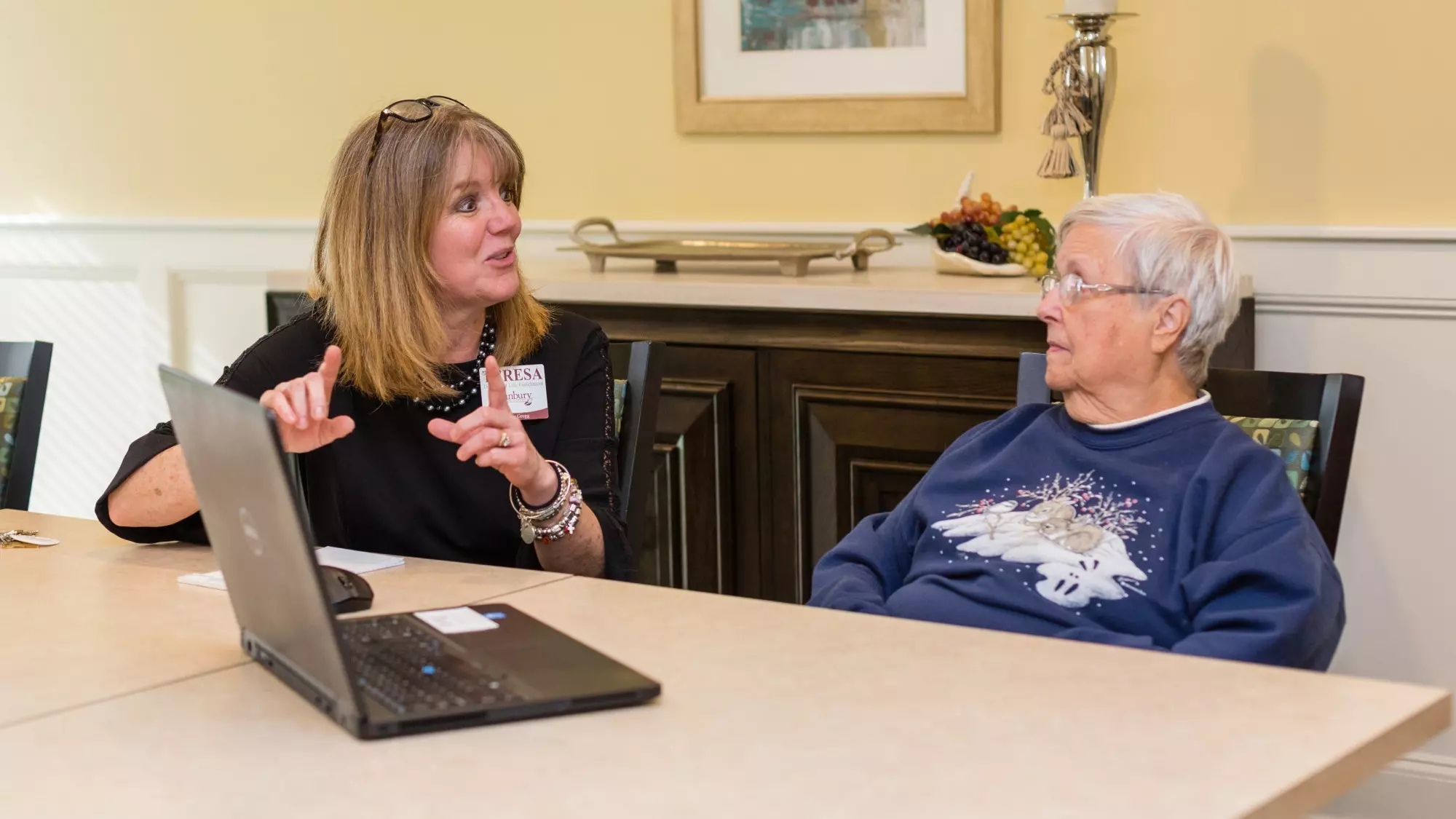
- Compassion and Responsiveness: Oftentimes, the best way to get a feel for a community’s atmosphere is by scheduling an in-person tour. During your visit, take note of how caregivers interact with residents. Do they speak in a calm, reassuring tone? Are they attentive to residents’ needs beyond the basics, like joining in on fun activities? How a community’s employees treat other residents can help you get a good sense of what it’s like to live there.
- Caregiver Retention: New caregivers often require training and onboarding, which can impact the quality of support residents receive, especially if a caregiver isn’t yet fully familiar with the specific needs of individual residents. Even if there are enough team members on staff, it’s usually a good idea to ask how long most caregivers have been working there. If many employees have been with the community for several years, it may suggest they feel well-supported in their roles, making them more likely to provide consistent, high-quality care.
Questions to Ask Communities During Your Search
As you explore assisted living options for your aging parent, you might notice that caregiver-to-resident ratios vary from one community to another. While most communities have enough staff to effectively support each resident’s unique needs, it’s still important to understand how your loved one’s specific care will be handled.
Here are a few important questions you may ask community employees during your search:

How StoryPoint Group Communities Care for Residents
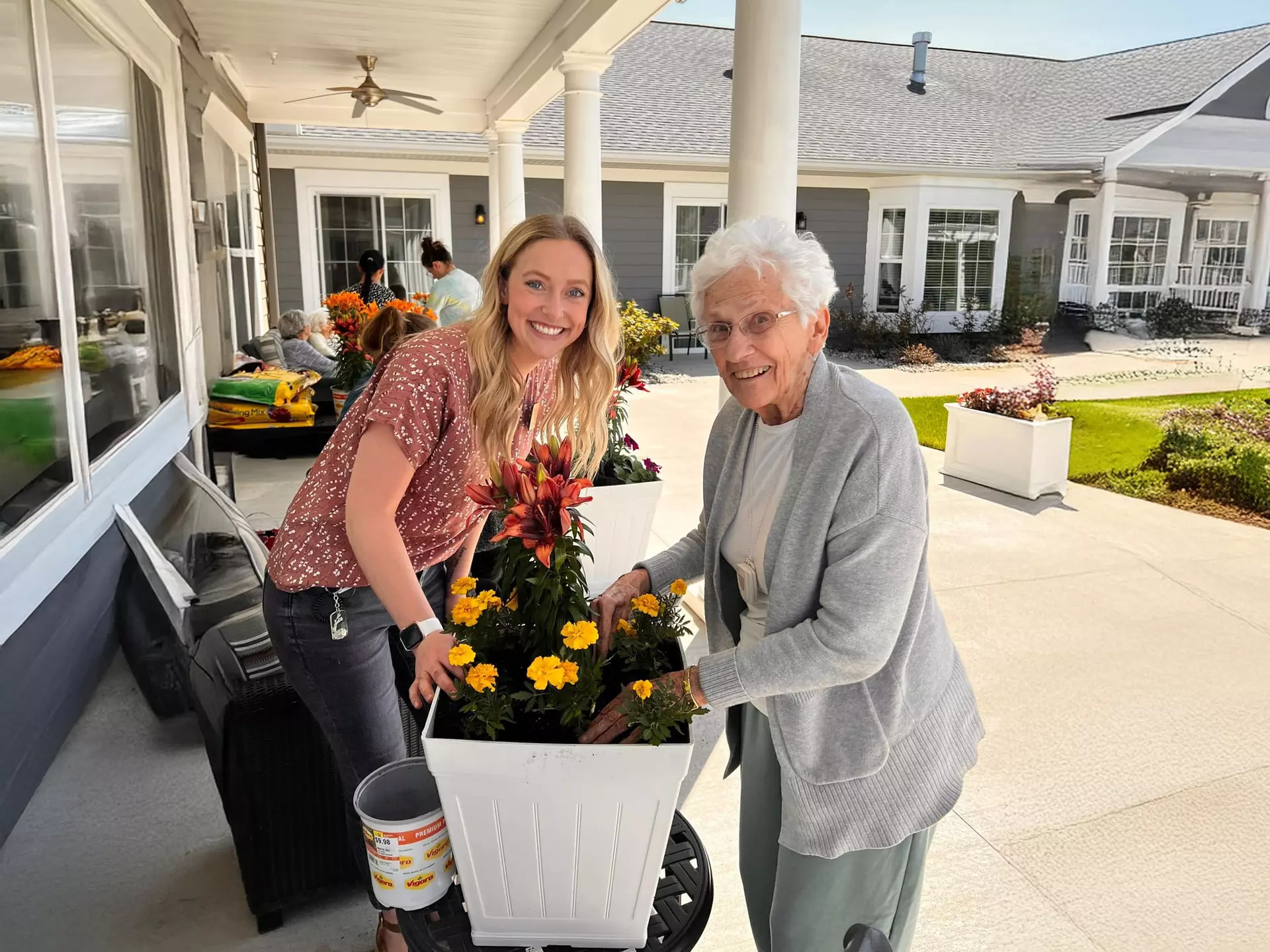
At StoryPoint Group communities, we care for our residents like family. From their favorite meals to lifelong hobbies, we take the time to learn what matters most to them so that we can create meaningful experiences tailored to their individual needs and preferences. We aim to ensure every resident feels seen, heard, and supported in ways that truly matter to them.
We also understand that moving into a new community isn’t always easy for seniors or their families. It can take time for your loved one to feel at home, and that’s perfectly okay. In our communities, friendly faces are always nearby to offer a warm welcome and help new residents get settled.
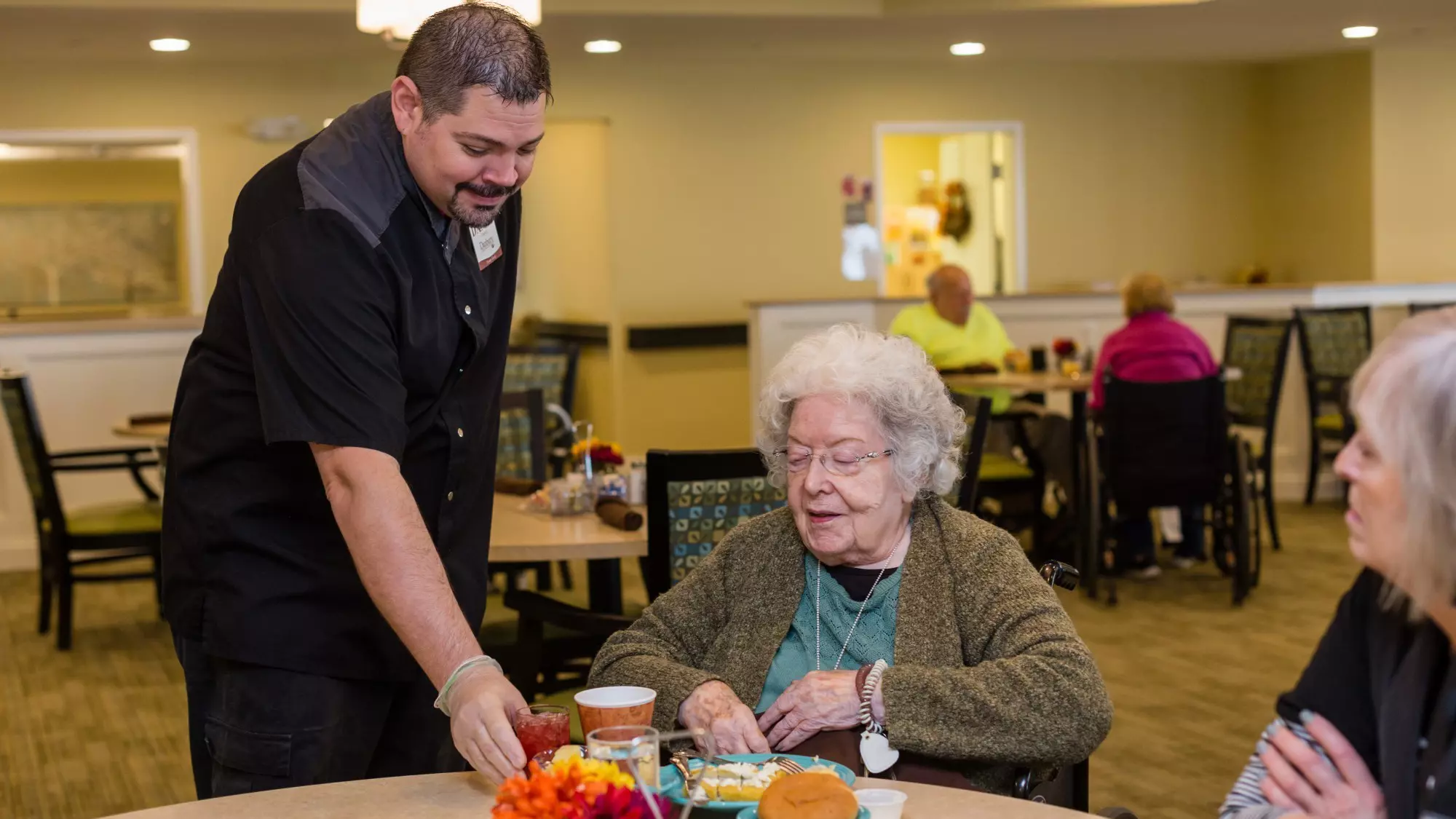
Often, comfort comes from the little moments, like having someone walk with your family member to their apartment or stopping by their table in the dining area for a quick chat. Whether it’s the chef asking about their favorite dish or a caregiver checking in to see how their day is going, we’re always here to support your loved one every step of their journey.
At the heart of everything we do is one goal: to help our residents embrace each day to the fullest. With us, every day is a new opportunity to share joy and laughter. Whether someone you love needs extra help with activities of daily living (ADLs) or simply a community where they truly feel like they belong, we’re here to help them shine — every day.
Let StoryPoint Group Be Your Guide
At StoryPoint Group communities, we understand the tough challenges families face in finding the best support for their loved ones’ unique needs. You’re not alone. We’re here to help guide you.
If your loved one could benefit from assisted living or another type of support, we’re here to support them, every step of the way.
To learn more about our services or what it’s like to live with us, call us today at 1-844-275-9990 or schedule a tour of a StoryPoint Group community near you. We can’t wait to welcome you!