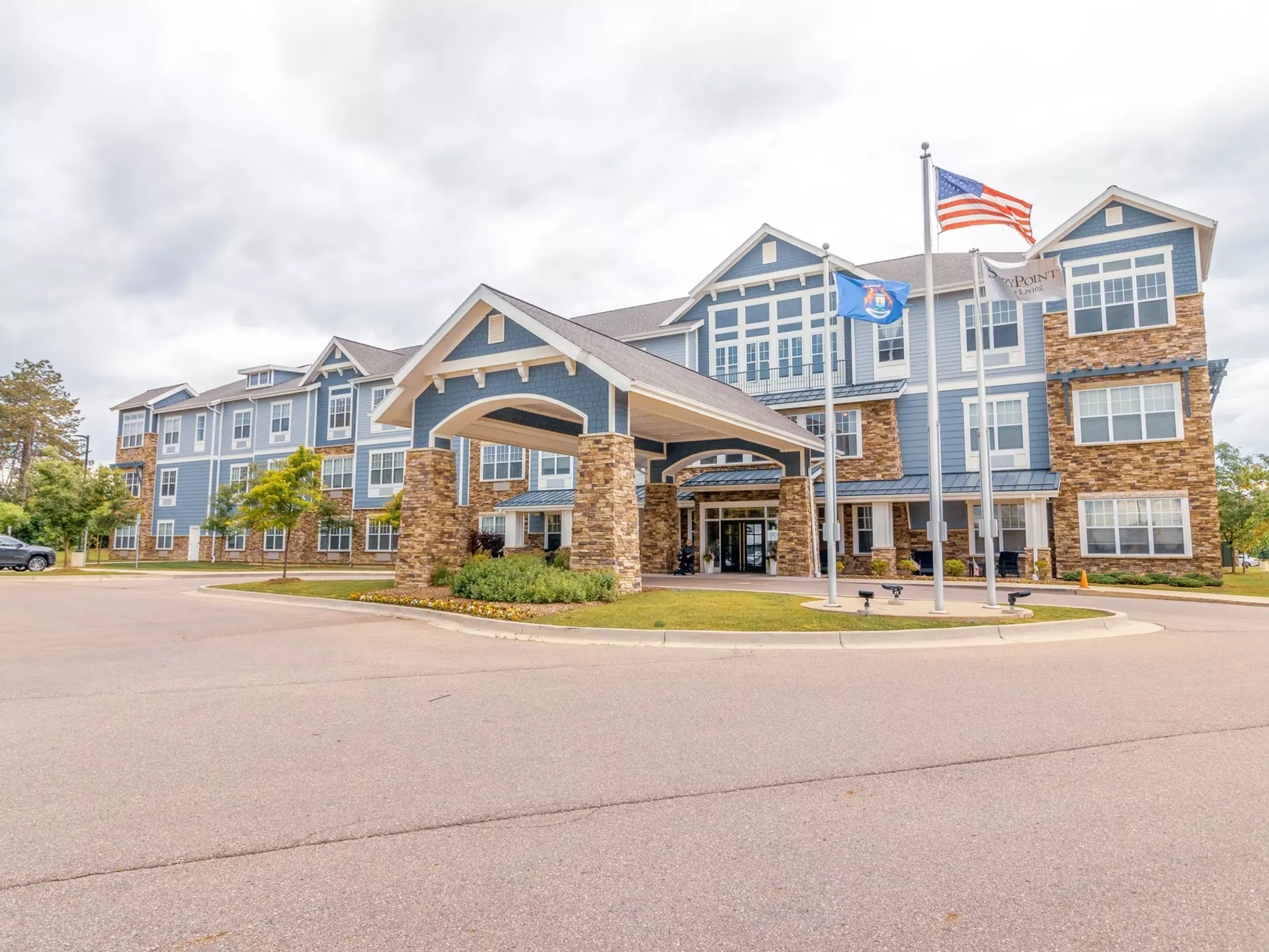






Assisted living communities offer an ideal mix of services and amenities to help support residents’ needs and enhance their overall quality of life. If you’re considering this option for yourself or a loved one, it’s often helpful to understand the actual costs involved.
In this guide, we’ll break down the cost of assisted living and how to pay for it. We’ll also help answer some key questions that seniors and families often ask at this stage of their journey.
What’s the Average Cost of Assisted Living in 2026?
Whether you’re looking into assisted living for yourself or your aging parent, one of the first questions you might have is: What is the average cost of assisted living? On average, families pay around $5,900 per month for assisted living services, which totals about $70,800 per year.
However, the cost of assisted living can vary significantly depending on where you live. Data shows that assisted living communities located in states with a lower cost of living charge approximately $4,481 per month. Meanwhile, monthly rates can climb as high as $11,650 in pricier locations.
Assisted living costs may also be affected by the services and amenities a community provides, the level of support offered, and more. When you’re touring potential communities, it’s always a good idea to ask any questions you might have about the cost of assisted living, including whether there are any extra fees to be aware of.
2026 Assisted Living Costs by State
Data shows that one key factor influencing the cost of assisted living is the state you live in. Families in higher-cost areas, like Massachusetts and New Jersey, often pay more for assisted living services. Conversely, costs tend to be lower in states with a more affordable cost of living, like Arkansas or Alabama.
To help you get a clearer picture of what you might expect to pay, here’s a full breakdown of the cost of assisted living by state in 2026:
| State | Monthly Median | Annual Median |
|---|---|---|
| Alabama | $ 4,572 | $ 54,870 |
| Alaska | $ 10,198 | $ 122,376 |
| Arizona | $ 6,446 | $ 76,446 |
| Arkansas | $ 4,724 | $ 56,688 |
| California | $ 7,350 | $ 88,200 |
| Colorado | $ 5,877 | $ 70,521 |
| Connecticut | $ 8,955 | $ 107,460 |
| Delaware | $ 8,557 | $ 102,690 |
| District of Columbia | $ 9,640 | $ 115,680 |
| Florida | $ 5,324 | $ 63,885 |
| Georgia | $ 4,940 | $ 59,280 |
| Hawaii | $ 11,311 | $ 135,735 |
| Idaho | $ 5,900 | $ 55,200 |
| Illinois | $ 5,836 | $ 70,032 |
| Indiana | $ 5,365 | $ 64,380 |
| Iowa | $ 5,183 | $ 62,202 |
| Kansas | $ 5,950 | $ 71,400 |
| Kentucky | $ 5,399 | $ 58,794 |
| Louisiana | $ 5,100 | $ 61,200 |
| Maine | $ 7,988 | $ 95,850 |
| Maryland | $ 7,083 | $ 84,990 |
| Massachusetts | $ 9,058 | $ 108,696 |
| Michigan | $ 6,040 | $ 72,480 |
| Minnesota | $ 5,825 | $ 69,900 |
| Mississippi | $ 4,445 | $ 53,343 |
| Missouri | $ 5,150 | $ 61,800 |
| Montana | $ 6,134 | $ 73,605 |
| Nebraska | $ 5,118 | $ 61,416 |
| Nevada | $ 6,110 | $ 73,320 |
| New Hampshire | $ 7,431 | $ 89,175 |
| New Jersey | $ 8,548 | $ 102,570 |
| New Mexico | $ 6,163 | $ 73,950 |
| New York | $ 7,560 | $ 75,600 |
| North Carolina | $ 6,353 | $ 76,245 |
| North Dakota | $ 5,335 | $ 64,020 |
| Ohio | $ 5,500 | $ 66,000 |
| Oklahoma | $ 4,823 | $ 57,870 |
| Oregon | $ 7,312 | $ 87,750 |
| Pennsylvania | $ 6,101 | $ 73,206 |
| Rhode Island | $ 6,821 | $ 84,450 |
| South Carolina | $ 5,200 | $ 62,400 |
| South Dakota | $ 4,350 | $ 52,200 |
| Tennessee | $ 5,358 | $ 64,290 |
| Texas | $ 5,250 | $ 63,000 |
| Utah | $ 4,685 | $ 56,220 |
| Vermont | $ 7,456 | $ 94,470 |
| Virginia | $ 6,512 | $ 78,150 |
| Washington | $ 6,975 | $ 83,700 |
| West Virginia | $ 5,600 | $ 67,200 |
| Wisconsin | $ 6,150 | $ 73,800 |
| Wyoming | $ 5,400 | $ 56,400 |

What’s Included in Assisted Living Costs?
Cost is often a key factor when seniors and their families are considering assisted living options. Every community is a little different, so it’s a good idea to ask for a detailed breakdown of what’s included and what might come at an extra cost.
Many assisted living communities charge a monthly all-inclusive fee, meaning you’ll pay the same amount, unless your loved one’s needs change. However, some communities use an à la carte model, where residents pay only for the specific services they use, with the option to add more as needed. Others offer tiered pricing, where the monthly rate is based on the level of support someone needs.
Here’s what’s typically included in assisted living costs:
- Accommodations: In most cases, assisted living costs include room and board. Residents often live in private or semi-private apartments, condos, or family-style homes with access to modern amenities and additional safety features.
- Meals and Snacks: Many communities offer freshly prepared, nutritious culinary options designed by professional chefs who understand the unique dietary needs of older adults.
- Housekeeping: In most assisted living communities, employees handle daily chores, like laundry and housekeeping tasks, so you have more time to enjoy the things that truly matter to you.
- Planned Activities and Events: Most communities offer a fun-filled activity calendar with birthday celebrations, fitness classes, group outings, and more, giving you or your loved one something enjoyable to look forward to every day.
- Transportation: Some communities offer scheduled transportation for outings, doctor’s appointments, grocery trips, and other errands at an additional cost.
- Personal Care: Most assisted living communities also include assistance with activities of daily living (ADLs), such as bathing, dressing, and grooming, in the final cost.
Additional Assisted Living Costs
Every resident in assisted living is unique, and because of this, some communities may offer extra services to accommodate each person’s unique needs and preferences. These added services usually come at an extra cost.
They may include:
- Assistance with taking medication
- Mobility and transferring
- Room service or meal delivery
- Salon or spa services
- Private transportation
- Physical or occupational therapy
- Cable, internet, or phone services
How Is Assisted Living Usually Paid for?
While assisted living offers plenty of valuable benefits, the costs can feel overwhelming for some. Depending on the resources available to you, there are several options that might help cover the cost of assisted living, including:
- Retirement Savings: Seniors can use their retirement savings to help cover assisted living costs. These may include funds from your or your loved one’s 401(k), IRA, or other personal savings accounts built over time. If your loved one has these accounts, consider working with a financial advisor to help you organize your finances effectively.
- Pensions: If you or your family member qualifies for a pension from a previous employer, it may be used to pay a portion, or sometimes even most, of the assisted living costs.
- Home Equity: Seniors and families may also use the value of their home (home equity) to help pay for assisted living costs. They may choose to sell the house, rent it out, or use a reverse mortgage. A trusted financial planner can help guide you toward the best option and explain how to go about it.
- Medicare: It’s common for families to ask: How much will Medicare pay for assisted living? While Medicare does not typically cover the cost of assisted living, it may help pay for certain medical costs, such as hospital stays, skilled nursing after surgery, or physical therapy.
- VA Aid and Attendance Benefits: Eligible veterans and surviving spouses of veterans may qualify for the VA Aid and Attendance benefit. These funds may be used to pay for assisted living services.
- Long-Term Care Insurance: Long-term care insurance can help cover the costs of additional support services, including assisted living. If your loved one has a policy, it’s essential to review what is and isn’t covered.
- Social Security: You might ask: Does Social Security pay for assisted living? You can use your Social Security benefits to help cover part of the cost. However, you may need to supplement those benefits with other sources to cover the full amount.
Assisted Living vs. Other Living Options
Many seniors prefer to receive support from the comfort of their homes as they age. And while in-home care can be tailored to meet a person’s needs and preferences, most providers charge by the hour, making it more expensive over time.
You might also wonder: Is it cheaper to live in an assisted living or nursing home? Skilled nursing communities are designed to provide comprehensive medical care and are typically more costly. You’ll also find fewer activities and programs in skilled nursing, as the focus is usually more on supporting residents’ medical needs.
In addition to offering a variety of life enrichment features for residents to enjoy, assisted living is often more affordable in the long run, especially for those who need more non-medical assistance.
| Service Type | Monthly Median Cost | Annual Median Cost |
|---|---|---|
| In-Home Care (Home Health Aide) | $6,483 | $77,792 |
| Assisted Living Community | $5,900 | $70,800 |
| Skilled Nursing (Semi-Private Room) | $9,277 | $111,325 |
StoryPoint Group Assisted Living Costs
While averages can be helpful, costs may vary widely across the country. When planning for your or your loved one’s future, it can be beneficial to understand what different support services, including assisted living, might cost where you live.
Try the StoryPoint Group cost calculator to learn how much assisted living may cost in your area.

See The Costs Of
Senior Living Compared To Staying In Place
We created this senior living calculator to help you determine the costs of senior living compared to remaining in place.
Get StartedCompare The Costs Of Senior Living
To accurately estimate the cost of senior living, simply enter your monthly expenses in the field below.
To see an estimate of the cost of senior living, simply select the state and level of care you think is right for you or your loved one.
*The state average for the above expense has been added for your convenience. Update the value to reflect your current situation.
*The state average for the above expense has been added for your convenience. Update the value to reflect your current situation.
*The state average for the above expense has been added for your convenience. Update the value to reflect your current situation.
*The state average for the above expense has been added for your convenience. Update the value to reflect your current situation.
*The state average for the above expense has been added for your convenience. Update the value to reflect your current situation.
(Vehicle Insurance, Registration, Gas, Maintenance, And Repairs)
*The state average for the above expense has been added for your convenience. Update the value to reflect your current situation.
(The National Average Cost Is $3,360-5,760 Monthly*)
*The state average for the above expense has been added for your convenience. Update the value to reflect your current situation.
Your Results?
We took the information you provided to calculate your current living expenses vs. the average costs of senior living. Here are your results.
Your current costs (based on the values you entered)
*This information is intended to aid in the evaluation and the decision-making process related to senior living alternatives. It is based on information and assumptions provided by you and information compiled from multiple accredited sources for comparison purposes. The calculations and comparisons provided should not be construed as financial, legal or tax advice. In addition, such information should not be relied upon as the only source of information.

Preparing to Move Into an Assisted Living Community
Whether you’re considering assisted living for yourself or helping your aging parent, moving into a community can feel overwhelming at first. Please know you’re not alone. We’re here to guide you every step of the way.
Here are some tips to help you prepare for the next steps ahead:
- Consider Future Needs: It’s never too early to start planning for yourself or your loved one. Starting early gives you more time to organize your resources and explore potential options. Even if a move isn’t needed right now, it’s helpful to understand what’s available and what the costs might be down the road.
- Talk to a Financial Advisor: Assisted living costs can add up, so it’s essential to plan effectively. A financial advisor can help you organize available resources, match you with benefits and assistance programs, and guide you through available payment options.
- Tour Multiple Communities: Every assisted living community is a little different. When looking for the right fit for you or your family member’s needs, consider scheduling in-person tours of a few options to get a feel for what it’s like to live there.
- Ask for Cost Breakdowns Up Front: Before choosing a community, ask for a clear cost breakdown so you understand all the costs involved. This should include monthly fees as well as any additional charges.

FAQs About Assisted Living Costs
Deciding whether assisted living is right for you or your aging parent is a deeply personal choice, and it’s completely normal to have questions along the way.
Below, we answer some of the most common questions that seniors and families ask about assisted living costs:
Senior Living With StoryPoint Group Communities
At StoryPoint Group communities, our residents’ needs are at the heart of everything we do. Our goal is to help each person make the most of each day, no matter where they are in their journey.
Whether you’re seeking an active lifestyle with convenient access to amenities and plenty of natural opportunities to meet new friends, need additional support with activities of daily living (ADLs), or simply looking for a welcoming place to call home, we’re here to help guide you and your loved one every step of the way.
To learn more about what it’s like to live with us or just to say hello, contact us or give us a call at 1-844-275-9990.