At StoryPoint Group communities, we truly understand how challenging it can be to live with Parkinson’s, both for individuals with the condition and for their caregivers and loved ones. If you or someone close to you needs support, whether due to Parkinson’s or another reason, we’re here to help every step of the way.
While Parkinson’s isn’t curable, there are many treatment options that can make a real difference. Alongside medication, alternative treatments for Parkinson’s can help manage symptoms and slow the disease’s progression. In this expert guide, we offer Parkinson’s disease self-care tips that can help support you or a loved one on this journey.
Key Symptoms to Address in Self-Care
While medications are important for managing symptoms, Parkinson’s disease self-care can also help ease some symptoms and improve overall well-being. Let’s take a look at a few key Parkinson’s symptoms and how self-care can help address them:
- Tremors and Stiffness: Performing gentle exercises, like stretching, walking, and yoga, can help loosen muscles and improve flexibility. Staying active may also reduce the severity of tremors over time.
- Balance and Coordination Problems: Parkinson’s often affects balance, making it harder for individuals to walk steadily or avoid falls. Parkinson’s disease self-care strategies that focus on strengthening your core and legs can help with balance and significantly reduce the risk of falls.
- Fatigue: Feeling tired all the time is another challenge many people with Parkinson’s face. Taking short rest breaks during the day, maintaining a regular sleep schedule, and low-impact exercises, like walking or light stretching, can help combat fatigue.
- Mood Changes and Depression: Parkinson’s doesn’t just affect the body, it can also take a toll on emotional well-being. Staying socially connected with loved ones, practicing mindfulness or relaxation techniques, and engaging in enjoyable hobbies can lift your mood. If you’re feeling down, reaching out for support, whether from family, friends, or a health care professional, is an important part of self-care.
- Slow Movements: Sometimes people with Parkinson’s may experience slower movements. While it may feel frustrating, doing exercises designed to improve strength and flexibility can help maintain muscle strength and can improve mobility over time.
Well-Balanced Diet
Nutrition and diet can play a vital role in managing Parkinson’s disease. Eating a balanced diet can improve digestion, boost energy levels, and even enhance how some medications work. If someone you love is living with Parkinson’s, it’s important to include plenty of fruits, vegetables, whole grains, and lean proteins in their meals. Omega-3-rich foods, such as fish and flaxseeds, can also support brain health, while fiber-rich foods can help prevent constipation, a common problem for those with Parkinson’s.That said, some foods, like processed snacks or foods high in sugar, should be limited. If you take certain medications, you may need to watch how much protein you eat, as it can interfere with how well your medication works.
Hydration
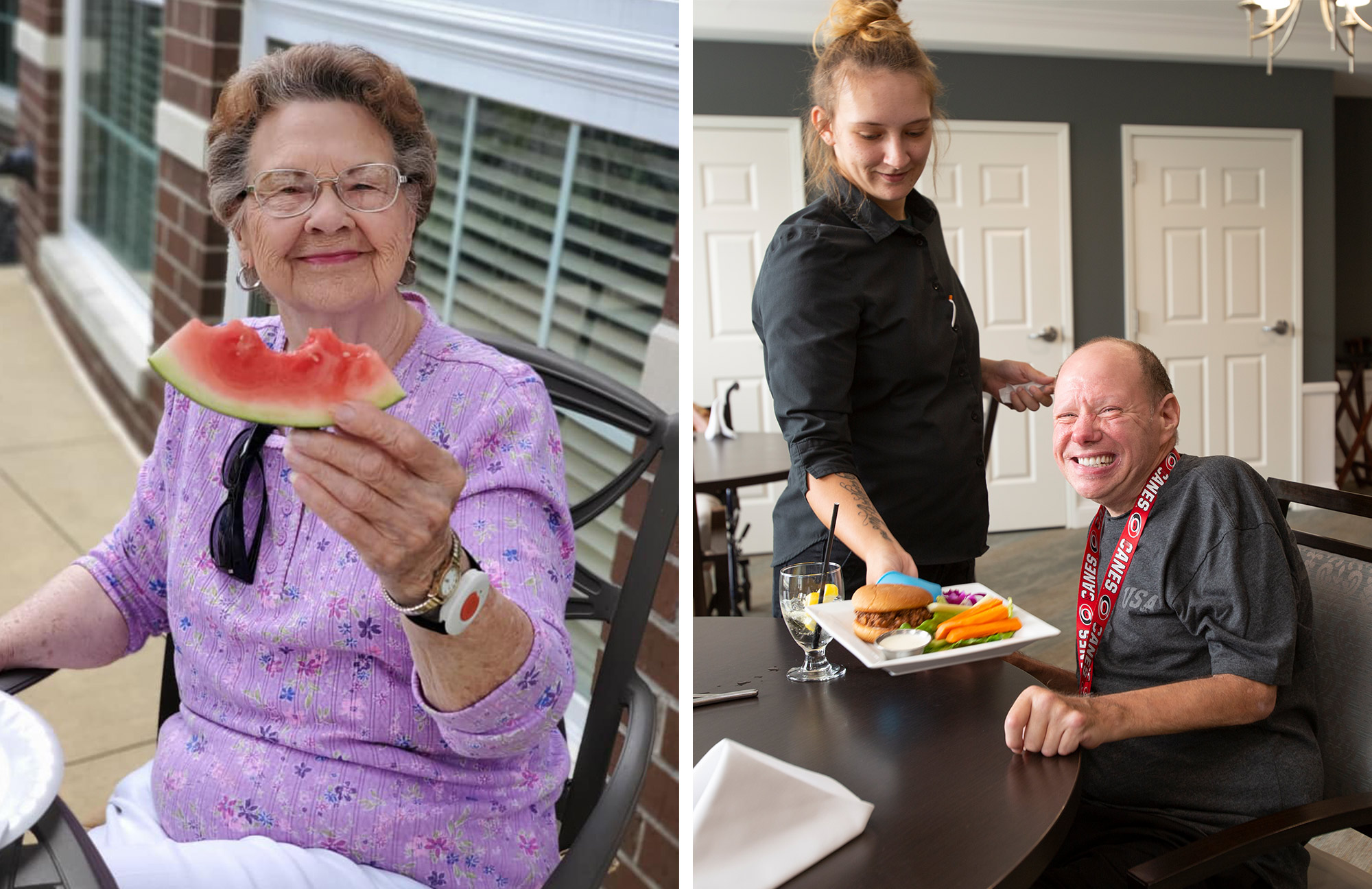
According to medical experts, dehydration can worsen symptoms like fatigue and constipation. You can stay hydrated by ensuring you drink water, as well as eating foods with high water content, like cucumbers and watermelon.
Using Apps and Technology
Many smartphone apps are designed specifically for people with Parkinson’s to help monitor symptoms, remind you of medications, and track your overall health. Some apps even allow doctors and caregivers to monitor your condition remotely.
Exercise
Engaging in light physical activity, like yoga and tai chi, can be particularly helpful for people with Parkinson’s. These gentle exercises can help improve balance, flexibility, and strength. Even short sessions, such as a few minutes of yoga or tai chi a day, can make a difference. You can join beginner classes in your community or follow along with online videos from home.
Medication Management
Another important aspect of self-care is medication management. While some natural remedies for Parkinson’s may help with treatment, taking medication correctly can help manage symptoms and slow progression of the disease. If you’re caring for someone with Parkinson’s, you can support them by helping to track their medication schedule and ensuring doses are taken correctly.
Cognitive Exercises and Activities
Engaging in cognitive exercises and activities is also an effective way to manage cognitive symptoms of Parkinson’s. Activities like crossword puzzles, Sudoku, or memory games can help keep the mind active.
Work With a Speech-Language Pathologist
Lastly, a speech-language pathologist can help address speech and swallowing difficulties, which are common in people with Parkinson’s. They can offer exercises to improve speech clarity and provide strategies to manage swallowing issues. 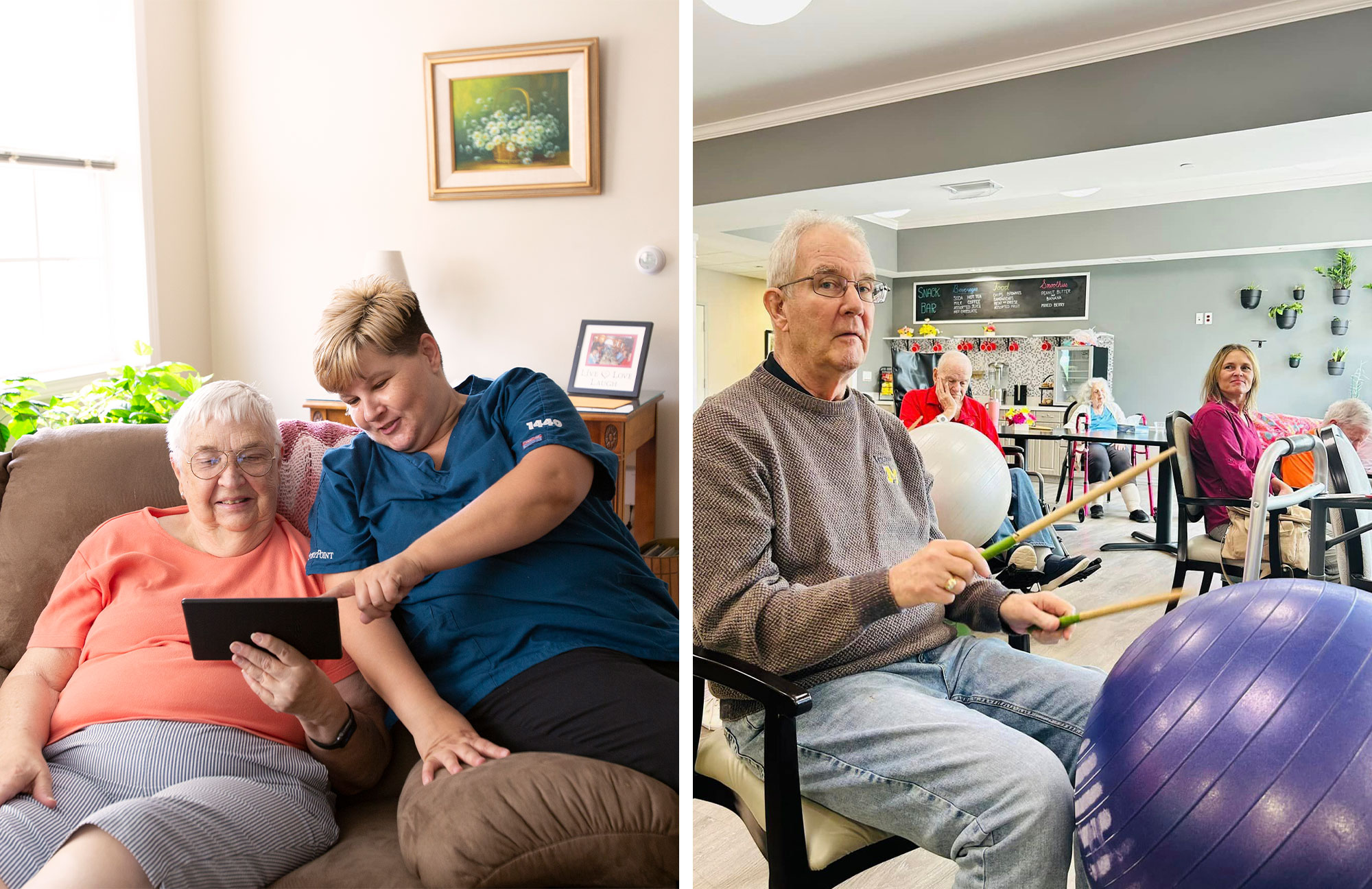
How Senior Living Can Help Seniors With Parkinson’s
While Parkinson’s disease self-care can help residents manage symptoms effectively, some individuals may have challenges maintaining their independence as the disease progresses. Senior living communities can provide much-needed support to help people with Parkinson’s enjoy a high quality of life.
Types of Senior Living Options for People With Parkinson’s
Let’s explore the different types of senior living options that cater to individuals with Parkinson’s disease, depending on the level of assistance they need:
- Assisted Living: This option provides a high level of support, including help with activities of daily living (ADLs), such as bathing, dressing, and medication management. Most assisted living communities offer personalized support to meet each individual’s needs, allowing seniors to maintain as much independence as possible while receiving necessary assistance.
- Memory Care: Over time, some individuals may experience cognitive decline, making it harder for them to manage a Parkinson’s disease self-care routine. A memory care community can offer specialized support and a secure environment where they can thrive.
- Skilled Nursing Care: Seniors with advanced Parkinson’s may require skilled nursing care for round-the-clock medical attention and support. Skilled nursing communities are equipped to manage more complex health conditions and provide the highest level of assistance, including physical therapy, medication management, and medical treatment.
Benefits of Specialized Parkinson’s Support in Senior Living
Senior living communities that offer specialized assistance for individuals with Parkinson’s can provide numerous important benefits that may significantly improve the quality of life for residents, including:
- Personalized Care Plans: Some senior living communities work closely with health care providers to develop individualized plans for people with Parkinson’s disease. This can help ensure they receive the right support for managing their symptoms.
- Physical Therapy and Exercise Programs: Regular physical activity can help manage some Parkinson’s symptoms, like tremors and stiffness. Senior living communities often offer specialized exercise programs, including physical therapy, to help residents maintain mobility and flexibility.
- Medication Management: Sometimes, keeping track of medications can be challenging for individuals with Parkinson’s disease. In most senior living communities, trained employees are available on-site to remind residents to take medications correctly and on time.
- Social Engagement: According to studies, isolation can worsen both the physical and emotional symptoms of Parkinson’s. Senior living communities typically offer a wide range of fun social activities and events to help residents stay connected and engaged.
- 24/7 Support: As Parkinson’s progresses, some seniors may need more frequent help with daily tasks. Having 24/7 access to trained caregivers can provide peace of mind for both residents and their families, knowing help is always available when needed.
StoryPoint Group: Here for You and Your Loved One
At StoryPoint Group communities, we’re committed to providing the highest level of support possible. If someone you love could benefit from memory care or another type of senior living, we’re here to support you every step of the way. To see what it’s like to live with us, contact us today or schedule a tour of a StoryPoint Group community near you. We can’t wait to get to know you!