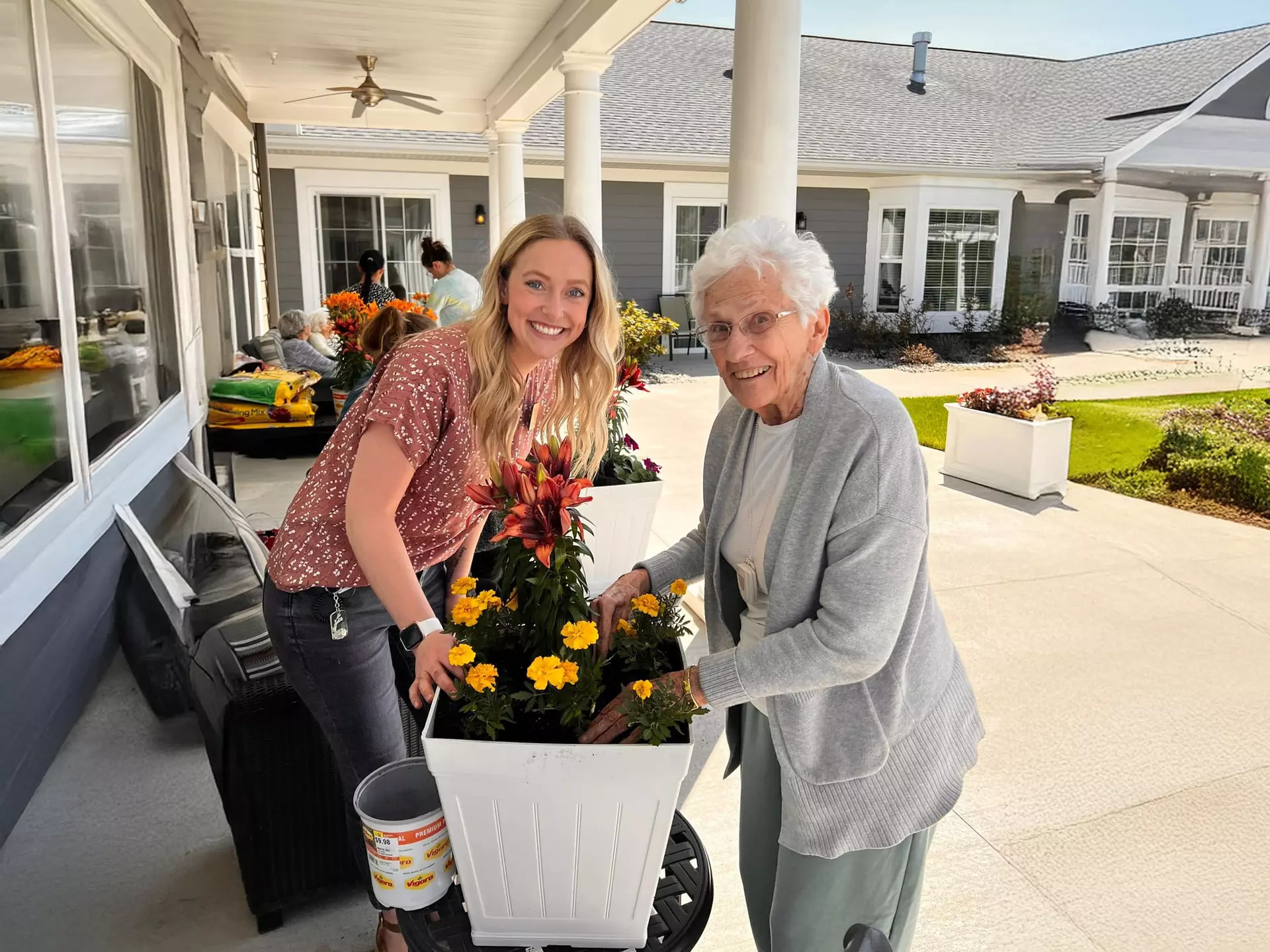

Assisted living communities offer many wonderful benefits that can improve the quality of life for older adults. But like any big change, transitioning into assisted living can be more challenging than expected. If you’re getting ready to transition, having a plan in place ahead of time can help make the process less stressful.
Once you’ve found a welcoming community that feels right, you’ll need to prepare for the move. To help guide you, we’ve put together a step-by-step guide to moving into assisted living, including how to know when it might be time and a helpful checklist of what to bring to your new home.
Recognizing Signs It’s Time to Move Into Assisted Living
The aging experience looks different for every senior. However, there are some key signs that may indicate it’s time to consider moving into assisted living. Here are a few things to look out for:
- Increasing Difficulty With Activities of Daily Living (ADLs): It’s natural for older loved ones to need extra help as they age. If you’ve noticed your loved one frequently having trouble with activities of daily living (ADLs), like bathing, using the bathroom, or cooking meals, it could be a sign that they may benefit from additional assistance. An assisted living community can provide the right level of support for your family member’s specific needs and many other valuable benefits.
- Safety Concerns: While many seniors wish to remain in their homes, where they feel most comfortable, it’s important to ensure they can do so safely. Frequent falls or close calls, wandering outside, or trouble managing medications may indicate your loved one is no longer safe living alone. Most assisted living communities are thoughtfully designed with safety features and have trained employees nearby to offer assistance if unexpected situations arise.
- Changes in Health: Sometimes, age-related health challenges, like chronic conditions or decreased mobility, can make it harder or even unsafe for a senior to live safely at home. Sudden weight loss or frequent doctor visits can sometimes point to an underlying health issue. If that’s the case for your loved one, a welcoming community with access to on-site medical support might be a good fit.
- Social and Emotional Well-Being: If you notice your loved one spending more time alone or not engaging in activities they used to enjoy, they may be feeling lonely. This can impact both their physical and emotional well-being. Many assisted living communities offer plenty of ways to connect, including fun social events your loved one can join if they’d like.
- Caregiver Strain: While caring for an aging loved one can be deeply rewarding, it can also be emotionally and physically tiring, especially when juggling other responsibilities. If keeping up with your loved one’s needs is becoming overwhelming, it may be time to consider assisted living.

Follow the Steps for Moving to Assisted Living
Moving into assisted living is a significant life change, and it’s completely normal to feel a mix of relief, sadness, and even anxiety. These emotions can make the first steps feel overwhelming.We’re here to support you and your loved one every step of the way. Here’s a step-by-step guide to make the transition to assisted living a little easier:
1. Recognizing the Signs
The first step is to look out for signs that someone you love may need extra support. Some changes can be subtle. Watch how your loved one manages their daily routine and take note of any activities of daily living they’re finding difficult. Can they move around their home safely? Are ongoing health issues becoming harder to manage at home? Recognizing these signs can help you decide when it might be time to consider assisted living.
2. Having the Conversation
Next, have a conversation with your family member about moving into assisted living. Choose a quiet, comfortable time to talk. Some seniors may worry about losing their independence or feel unsure about what life in a community will be like. Others might feel they’re simply not ready. Listen to your loved one’s opinion and acknowledge their concerns. Then, offer gentle reassurance and explain how assisted living could actually help them maintain more of their independence.
3. Finding the Right Community
Once everyone is on the same page, it’s time to find a community that truly fits your loved one’s needs. Finding the right fit can help them feel more comfortable and open to the move.Do they want to live close to family? Would they enjoy having access to social events or group activities? Are there certain places they like visiting? Think about what’s most important to them, and prioritize options that offer those features.Try to visit a few communities to get a real feel for what life is like there. Ask about social programs, medical support, safety features, and anything else that’s important to your family member. It’s also a good time to go over the costs of assisted living and what’s included.

4. Planning the Move
Once you find a community that truly feels right for you or your loved one, it’s time to choose a move-in date and create a to-do list. This might include sorting through belongings, arranging transportation, and notifying doctors about the move. If you’re helping an older loved one transition into assisted living, it’s important to respect their wishes and involve them in as many decisions as possible.
5. What to Pack: A Room-by-Room Guide
If you’re wondering, “What do I need to move into assisted living?” you’re not alone. Moving into assisted living often means downsizing. It’s important to ensure your loved one has everything they need while being mindful of available space and storage. Here’s a room-by-room look at what to bring:Bedroom:
- Bedding and favorite blanket
- Comfortable clothing
- Pajamas and slippers
- Photos of family and friends
- Favorite books or e-reader
- Personal keepsakes
Bathroom:
- Towels and washcloths
- Toiletries
- Hairbrush or comb
- Shower caddy (if needed)
Living Area:
- Favorite chair or recliner
- Small side table and reading lamp
- Artwork or framed family photos
- Books, puzzles, or games
- A TV, radio, or music player
Kitchen:
- Dishes, cups, and utensils
- Favorite snacks
- Reusable water bottle
- Small coffee maker or electric kettle (if the community allows)
Try Our Room-by-Room Checklist
Since your loved one likely won’t be bringing everything with them, it helps to know what to pack. Keep in mind that some assisted living communities have rules about what’s allowed, so it’s a good idea to check with them ahead of time. Here’s a free, downloadable assisted living checklist to help you get started.
What Not to Bring to Assisted Living
Most assisted living apartments are usually equipped with the basics. Plus, moving into a smaller space likely means there won’t be room for everything.Consider selling or donating things you no longer need, like large furniture or duplicate household items. It’s also a good idea to leave behind anything that could be unsafe, like candles, space heaters, or breakable glass décor.
6. Handle Logistics and Paperwork
Before moving into assisted living, there are a few crucial details you may need to be aware of. Start by gathering any documents they may need. This may include medical records, a list of current medications, insurance information, and a copy of any legal documents like a power of attorney or advance directive.If your loved one has a long-term care insurance policy or veterans’ benefits, this is a good time to check what paperwork is needed to use those benefits.You’ll also want to update their new address with doctors, insurance providers, banks, and the post office. For those downsizing, this might include canceling or transferring utilities, subscriptions, or home services.Finally, if you’re arranging transportation to the community, be sure to confirm the moving date and any support your loved one may need on the day, especially if they use a wheelchair or walker.
7. Easing the Transition and Providing Support
Many seniors ask, “How long does it take to get used to assisted living?” It can take some time for your loved one to adjust to their new surroundings, and that’s perfectly normal.After the move, try to stay involved by visiting often and keeping in touch. Video calls are also a great way to check in and see how your family member is doing. Ask about their new home, the food, and how they feel about the community. Your support and reassurance can make a big difference in helping them feel more comfortable in their new environment.
Frequently Asked Questions
The transition to assisted living is a big decision. Whether you’re planning for yourself or helping an older loved one, it’s completely normal to have questions along the way.Here are answers to some of the most common questions families ask during this stage of their journey:
Life With StoryPoint Group Communities
At StoryPoint Group communities, we understand that every senior’s journey is unique. That’s why we’re genuinely committed to meeting each resident where they are and helping them make the most of their golden years. We pay particularly close attention to new residents to make their transition rewarding.With us, every day is a chance to shine, share laughter, and create meaningful moments. If someone you love could benefit from assisted living or other support services, we’d be honored to be part of their journey.To learn more about how we can help, connect with us today or give us a call at 1-844-275-9990. We can’t wait to get to know you and your loved one!